|
Hello, theater enthusiasts and fellow creatives! I’m Joseph Cummings, and I’m thrilled to share a glimpse into what inspires me as a set designer. Creating the visual world of a stage production is a passion that fuels my creativity and drives my artistic journey. From the bustling energy of MainStage Irving-Las Colinas to the collaborative magic of The Dallas Theater Center, here’s what sparks my imagination and keeps my creative fire burning.
A Love for Storytelling At the core of my work is a deep love for storytelling. I believe that every set is a character in its own right, a silent narrator that enhances the narrative unfolding on stage. When I start on a new project, I immerse myself in the script, seeking to understand the heart of the story and its characters. This process helps me design sets that are not just backdrops but integral parts of the story, shaping and reflecting the emotions and journeys of the characters. Nature and Architecture I find immense inspiration in the natural world and architectural wonders. Whether it's a tranquil forest, a dramatic coastline, or the intricate details of a historic building, these elements captivate my imagination. I love exploring landscapes, observing how light, shadow, and texture interact. These observations influence my material choices and my approach to creating spaces that feel both real and magical. Architecture, from ancient ruins to modern marvels, also inspires me. The structural elements and historical significance of buildings often weave their way into my designs, adding layers of depth and meaning. Collaborative Energy The collaborative nature of theater is a constant source of inspiration. Working with directors, actors, and fellow designers is a joy, as we exchange ideas and create a shared vision. Each collaboration is a new adventure, pushing me to think creatively and adapt my designs to enhance the collective vision. This dynamic process not only fuels my creativity but also results in more innovative and cohesive productions. Personal Experiences and Imagination Lastly, my personal experiences and imagination play vital roles in my creative process. Travel, memories, and everyday encounters often spark new ideas and visions. Blending reality with imagination allows me to create sets that are both relatable and fantastical, inviting audiences to lose themselves in the world I’ve built.
0 Comments
Families and theme park enthusiasts, get ready for an exciting new destination! Universal Parks & Resorts is set to open a brand-new Universal Kids Resort in Frisco, Texas, just outside of Dallas. This innovative and family-friendly resort promises to deliver an unforgettable experience tailored especially for younger guests and their families. Here’s everything you need to know about this upcoming attraction and why it should be at the top of your travel list. A New Kind of Universal ExperienceUniversal Parks & Resorts has long been known for its thrilling rides, immersive environments, and beloved movie-themed attractions. With the new Universal Kids Resort in Frisco, the focus shifts to creating a magical experience specifically designed for families with young children. This unique resort will offer age-appropriate entertainment, interactive attractions, and engaging activities that cater to the youngest of adventurers. Fun-Filled Attractions The Universal Kids Resort will feature a variety of attractions and rides inspired by popular children’s franchises. While the exact lineup of attractions is still under wraps, you can expect to see favorites from Universal's rich library of kid-friendly properties. From gentle rides perfect for preschoolers to interactive play areas that spark imagination, every detail is designed to create a safe and enjoyable environment for young guests. Themed Lands and Interactive Experiences One of the highlights of the new resort will be its themed lands, each dedicated to different Universal properties and characters that kids love. These immersive areas will bring to life the magical worlds of beloved stories, allowing children to step into their favorite adventures. Expect interactive experiences where kids can meet and greet their favorite characters, participate in fun activities, and even become part of the story. Family-Friendly Amenities Understanding the needs of families, the resort will be equipped with a range of family-friendly amenities. Comfortable accommodations will offer themed rooms that extend the park's magic into your overnight stay. Dining options will cater to all tastes, with a focus on nutritious and kid-friendly meals. Additionally, thoughtful conveniences like stroller rentals, baby care centers, and shaded rest areas will ensure a stress-free experience for parents and guardians. Educational and Enriching Activities Universal Kids Resort aims to combine fun with learning through a variety of educational and enriching activities. Kids will have the opportunity to engage in creative workshops, interactive storytelling sessions, and science-themed attractions that make learning an adventure. These experiences are designed to stimulate young minds and inspire curiosity, blending entertainment with education seamlessly. Easy Access and Prime Location Situated in Frisco, Texas, just a short drive from Dallas, the resort's location is perfect for both local families and visitors from afar. Frisco is a rapidly growing area known for its family-friendly atmosphere, making it an ideal setting for Universal's newest venture. The resort will be easily accessible from major highways and close to other local attractions, ensuring a convenient and enjoyable visit. Grand Opening Anticipation The excitement for the Universal Kids Resort is building, with families eagerly awaiting its grand opening. While the exact opening date has yet to be announced, construction is well underway, and the resort is expected to welcome its first guests soon. Stay tuned to Universal Parks & Resorts' official channels for the latest updates and opening announcements. www.youtube.com/@ThemeParkStop for more info!
Disneyland's Haunted Mansion has long been a beloved staple for thrill-seekers and ghost-story enthusiasts alike. This iconic attraction, shrouded in mystery and filled with spectral charm, is getting an exciting makeover, and we can't wait to share the details with you. Local legend suggests that the grand manor, now known as the Haunted Mansion, was originally built by a prosperous sea captain. Stories say the captain mysteriously vanished, leaving the mansion to be inhabited by happy haunts. To this day, the mansion’s dedicated staff faithfully maintain the eerie, yet oddly welcoming, haunting grounds. 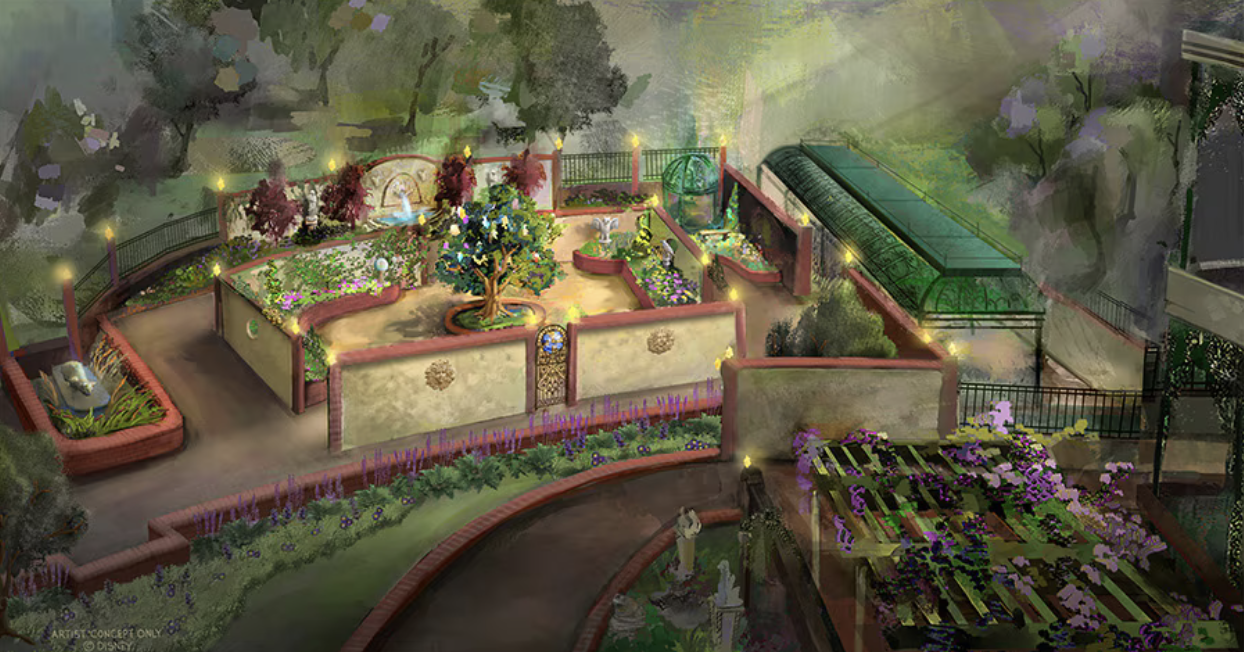 As part of the renovation, Disneyland is expanding the queue, inviting guests to delve deeper into the mansion's storied past. This new queue will feature enchanting gardens inspired by some of the mansion's most infamous residents. Imagine wandering through lush landscapes that echo the elegance and mystery of Master Gracey, the enigmatic charm of Madame Leota, and the curious allure of the one-eyed cat. Each garden will be meticulously designed to reflect the unique personalities and histories of these beloved characters. You'll find yourself immersed in an atmospheric prelude to the ghostly adventures that await inside the mansion. Whether it's the haunting beauty of Master Gracey's garden or the mystical elements surrounding Madame Leota, every corner will be rich with detail and lore. 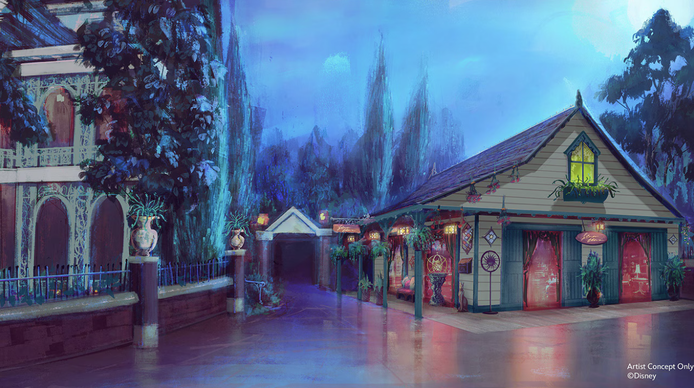 And the excitement doesn't end there. As you exit the Haunted Mansion, you'll now find a brand new Madame Leota gift shop. This shop promises to be a treasure trove of eerie delights, offering everything from spooky souvenirs to enchanting trinkets that pay homage to the Haunted Mansion's storied past. Whether you're looking for a unique keepsake or a gift for a fellow ghost aficionado, Madame Leota's shop will have something to captivate every visitor. So, get ready for an even more immersive experience at the Haunted Mansion. The expanded queue and the new Madame Leota gift shop are set to open soon, adding new layers of intrigue and excitement to this timeless attraction. Keep your eyes peeled for more updates, and prepare to be enchanted by the history, mystery, and magic of Disneyland's Haunted Mansion like never before. 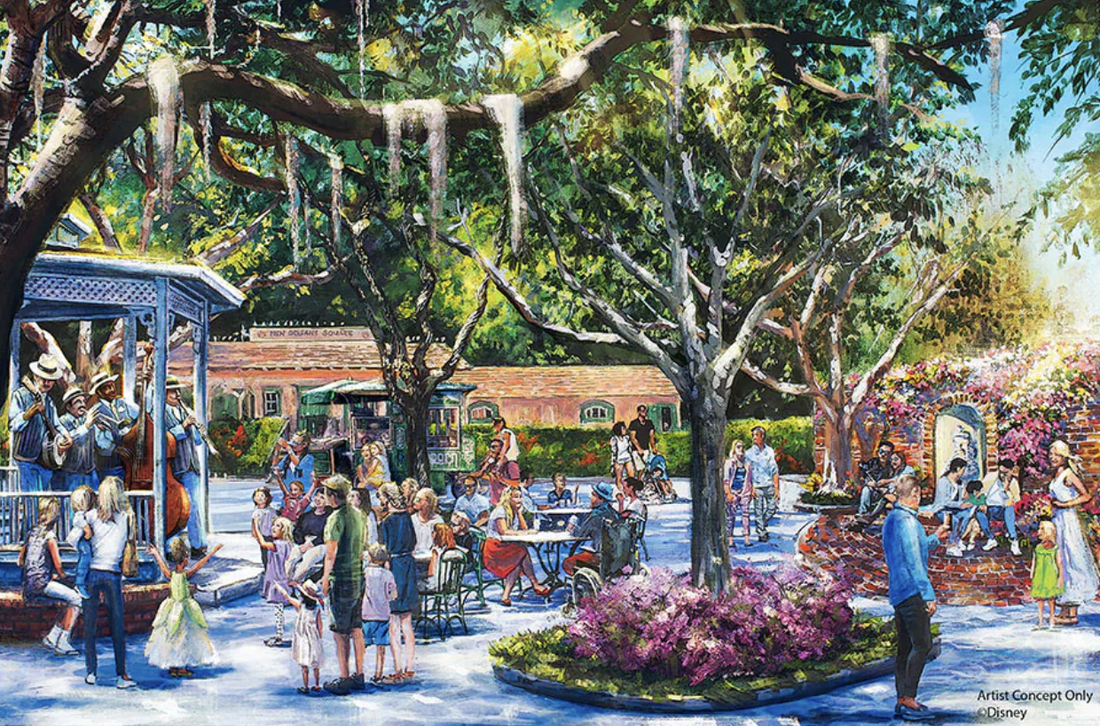 As the final days of spring usher in warmer weather, another beloved event is drawing to a close. Tomorrow marks the last chance to see Mainstage Irving Las Colinas' enchanting production of "On Golden Pond." Since its opening, this heartwarming play has captivated audiences with its tender storytelling and exceptional performances. If you haven't experienced this theatrical gem yet, now is the time—don't miss the final curtain call at 7:30pm on May 18th. If you've already seen "On Golden Pond," consider returning to savor the magic one last time. If you haven't, seize this final opportunity to witness a production that has been praised for its emotional depth and authenticity. Secure your tickets now, and be part of an evening that promises to be both moving and unforgettable. See you at the theater! Performances are held at the Irving Arts Center located at 3333 N. Macarthur Boulevard Irving. Click the image below to secure your tickets. 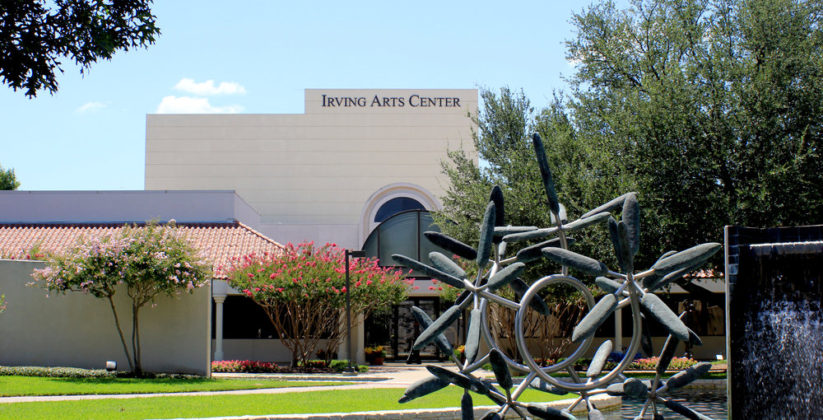 As the curtains rise on Mainstage Irving-Las Colinas' latest production, "On Golden Pond," directed by the seasoned Michael Serrecchia, audiences are treated to an enchanting journey into the depths of family, aging, and the bonds that withstand the test of time. With the play's opening night receiving resounding applause, it's no wonder that the production is already garnering rave reviews. Running until March 18 at the Irving Arts Center, "On Golden Pond" has captured the hearts of theater enthusiasts with its poignant storytelling and exceptional performances. Under the skilled direction of Michael Serrecchia, this timeless classic has been rejuvenated, breathing new life into Ernest Thompson's beloved script. In a recent review, Dallas Theatre Journal's own critic remarked, "Director Michael Serrecchia has assembled a very talented crew of designers to support his talented cast. Scenic Designer/Set Dresser Joseph Cummings and Master Carpenter Ellie Wyatt have created the cozy summer cottage we all would like to find on rental sites. Nestled among trees that swayed, the sweet cottage faced the lake. This smart choice let the audience be part of saying hello and goodbye to the loons." Click here to read the full review. As "On Golden Pond" continues its run at the Irving Arts Center, theater enthusiasts are encouraged to seize the opportunity to witness this captivating production firsthand. With its timeless themes and stellar execution, it's a theatrical experience that promises to linger in the hearts and minds of audiences long after the final curtain call. |
Behind the CurtainJoseph CummingsMy blog is all about the design process, set design, and designers I love. Take a look behind the curtain! 
Categories
All
Archives
June 2024

Recommended Set Design BookBy Clare Floyd DeVries
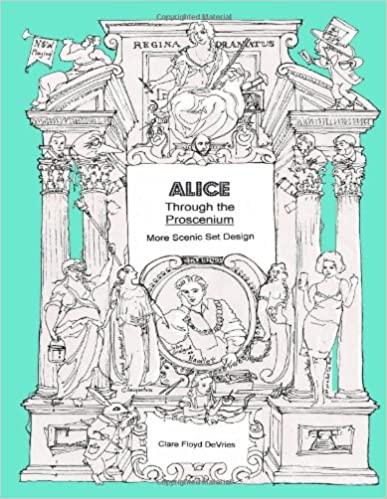
Alice Through the Proscenium is THE traveler's guide to the strange world of theater set design.
Click on the cover of the book to order yours today! |
